30+


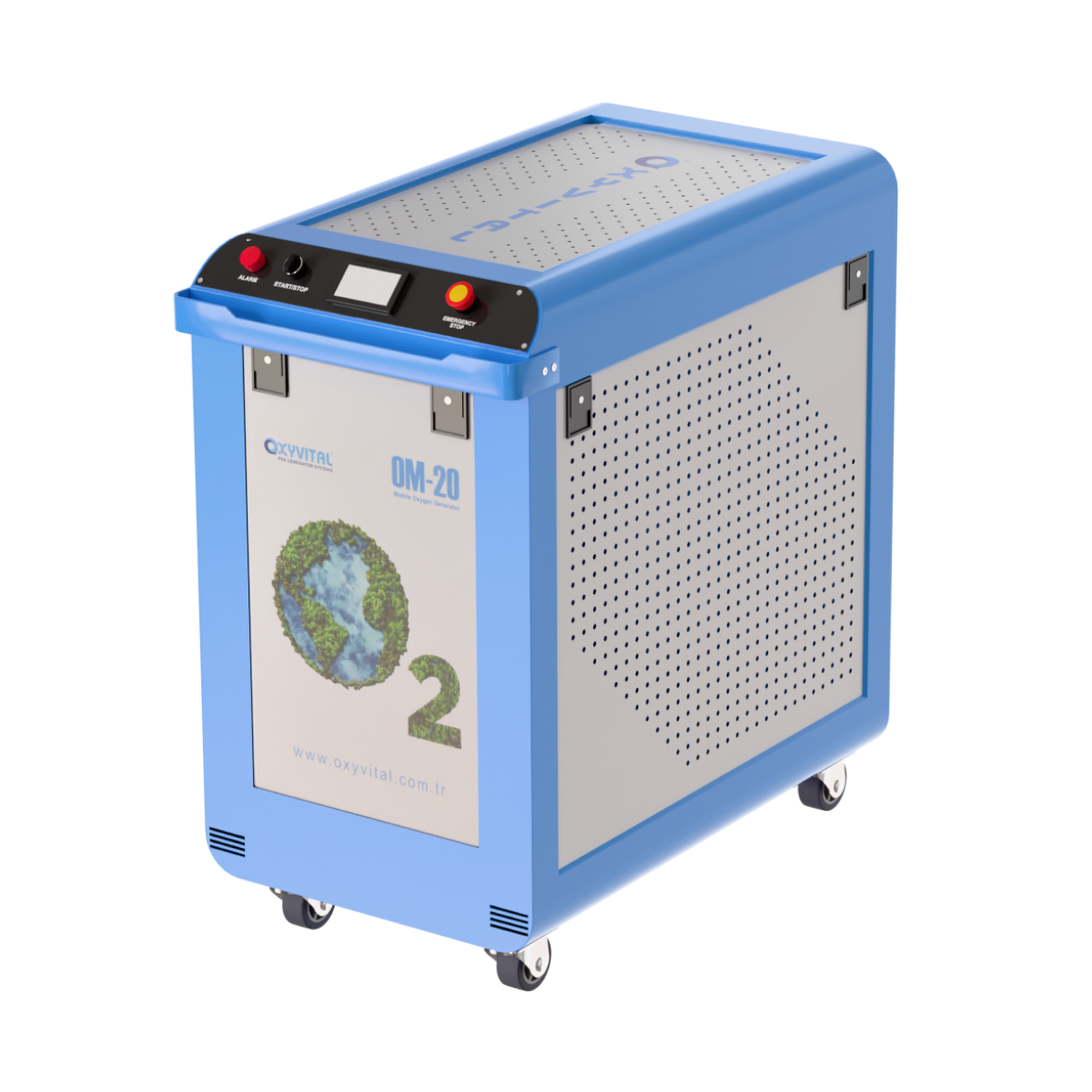
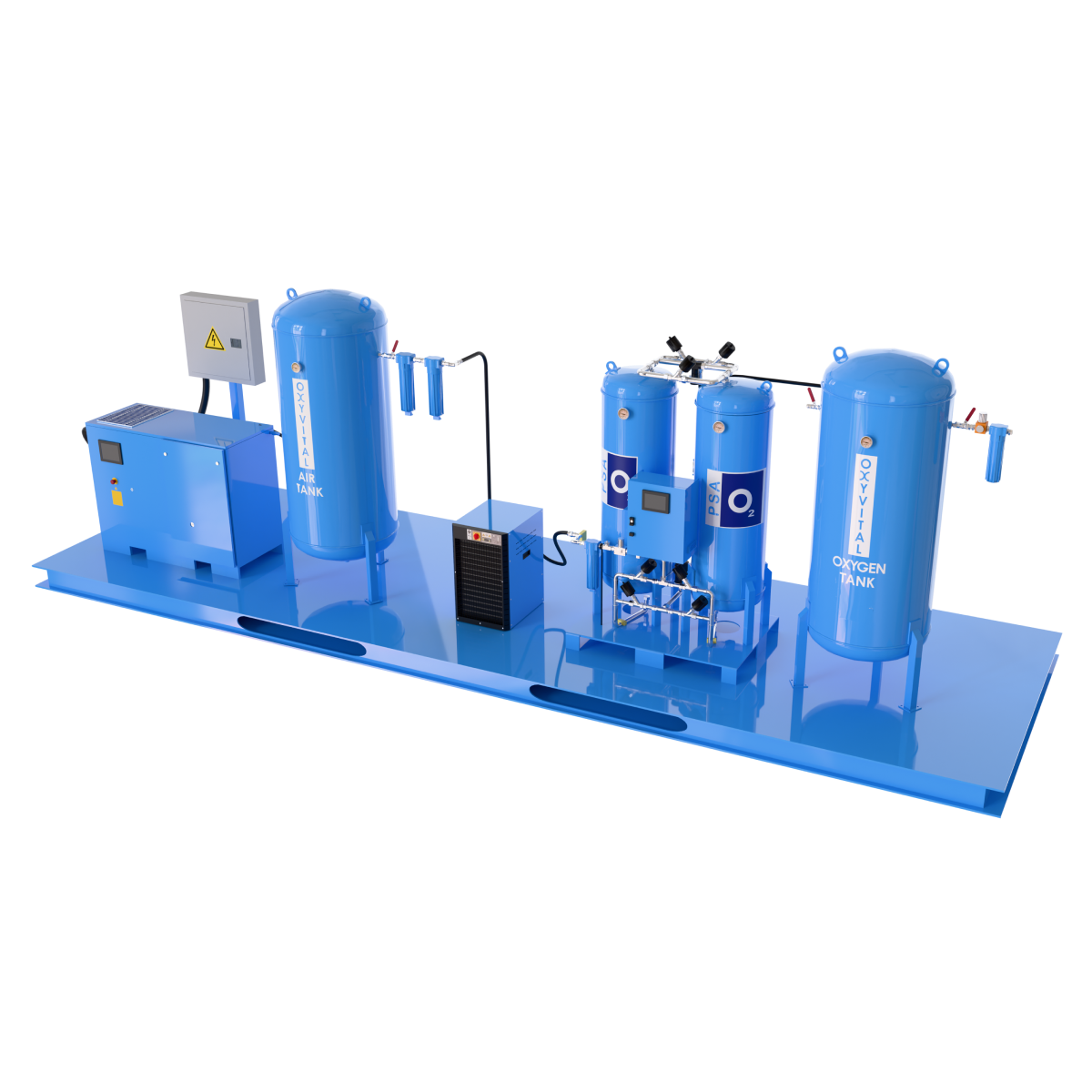
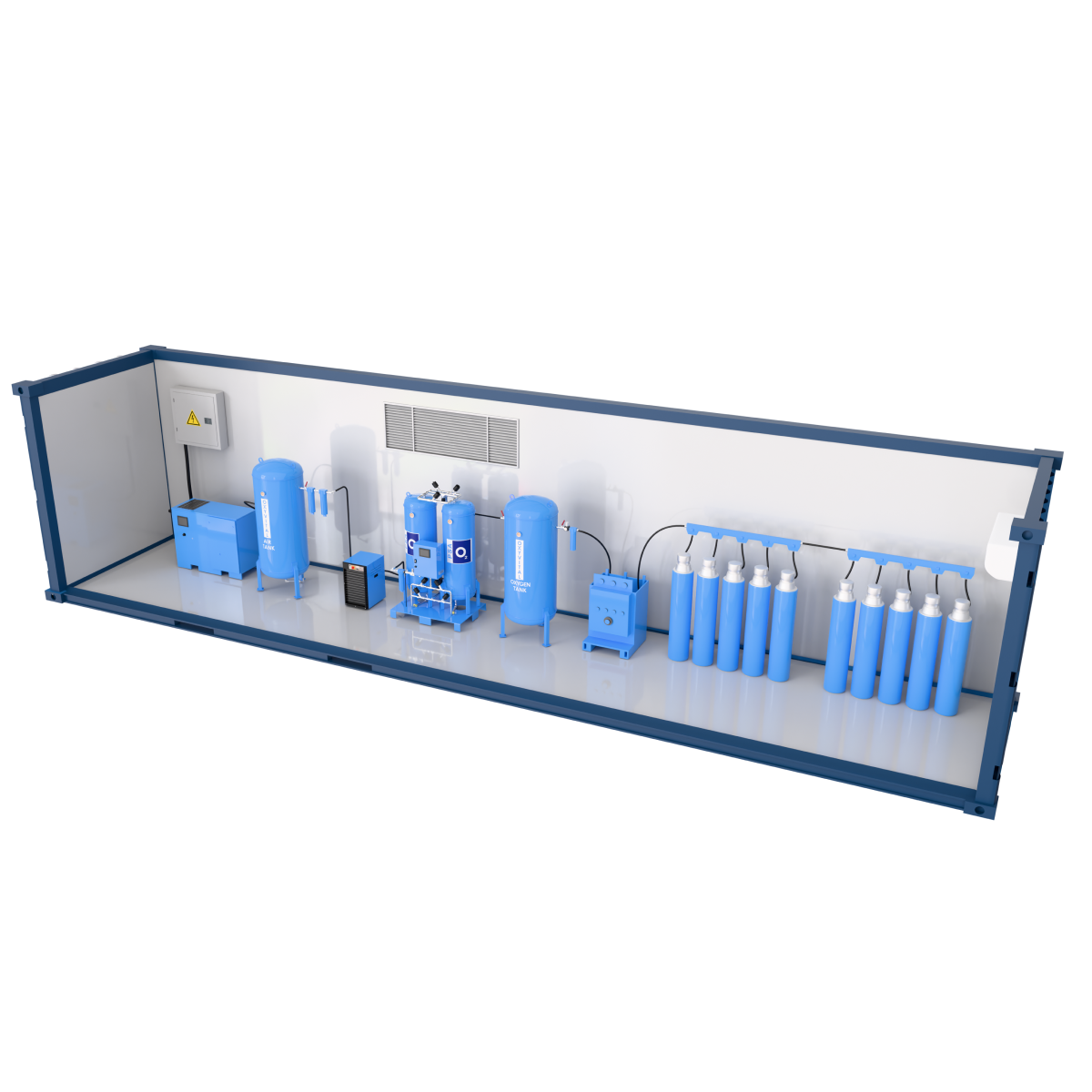
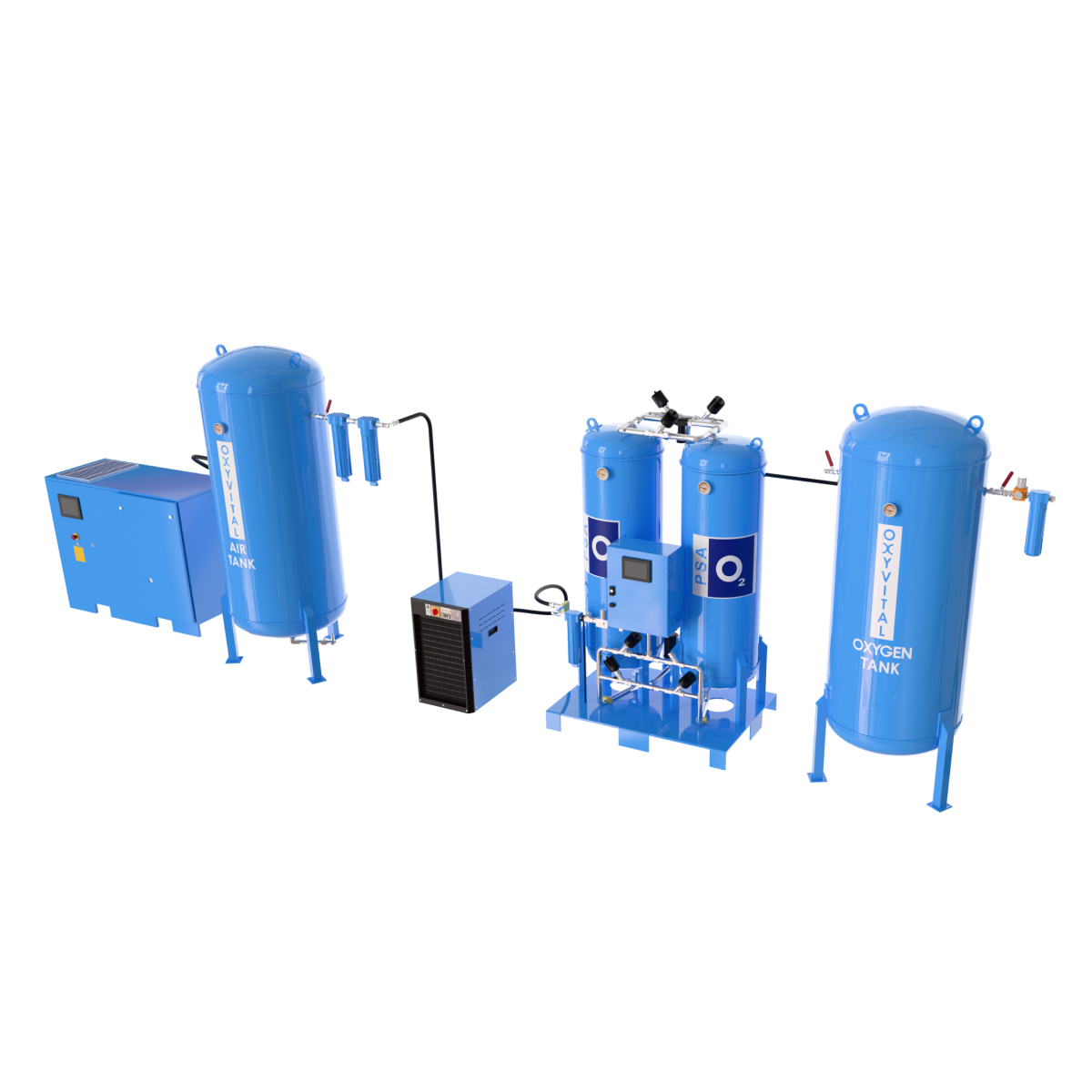
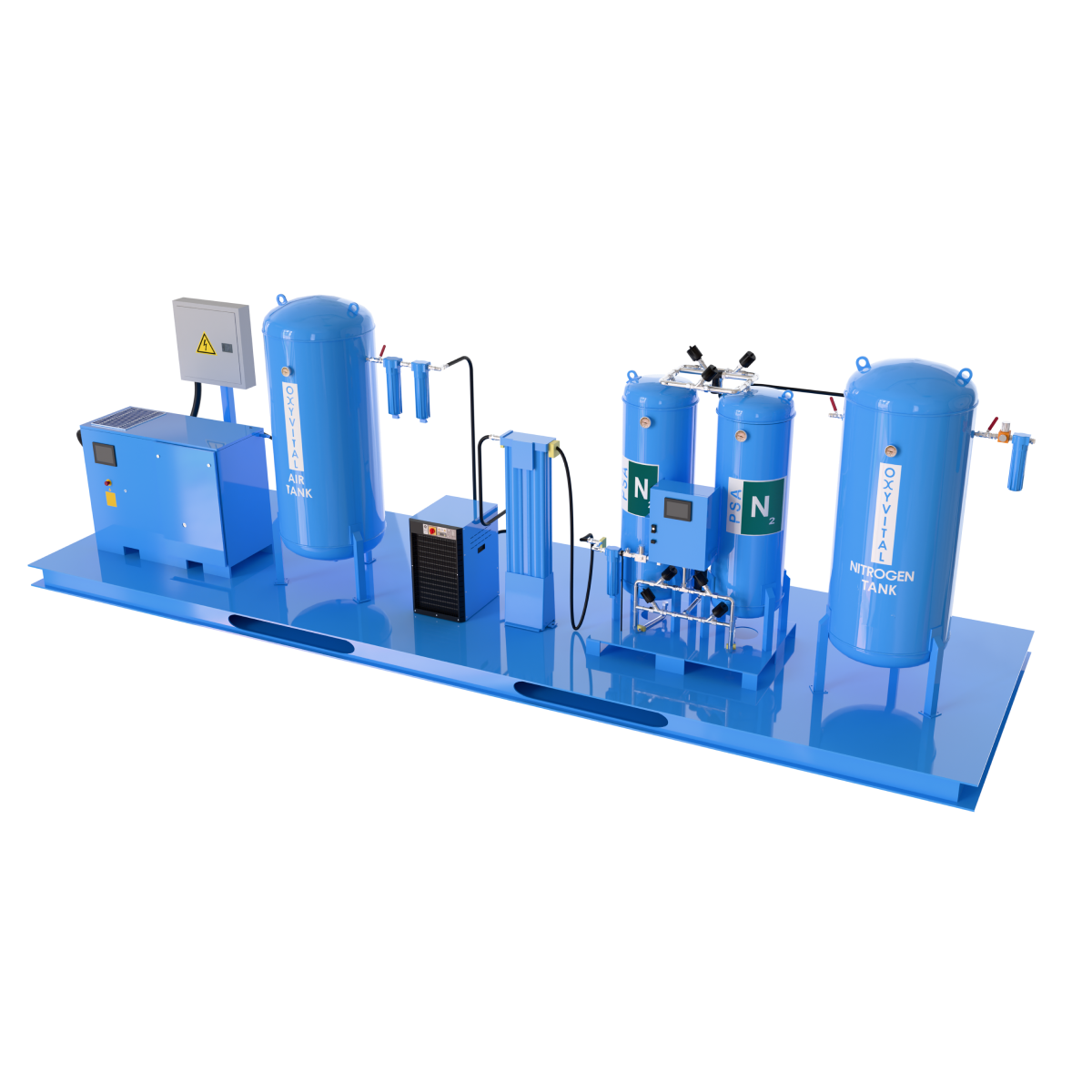
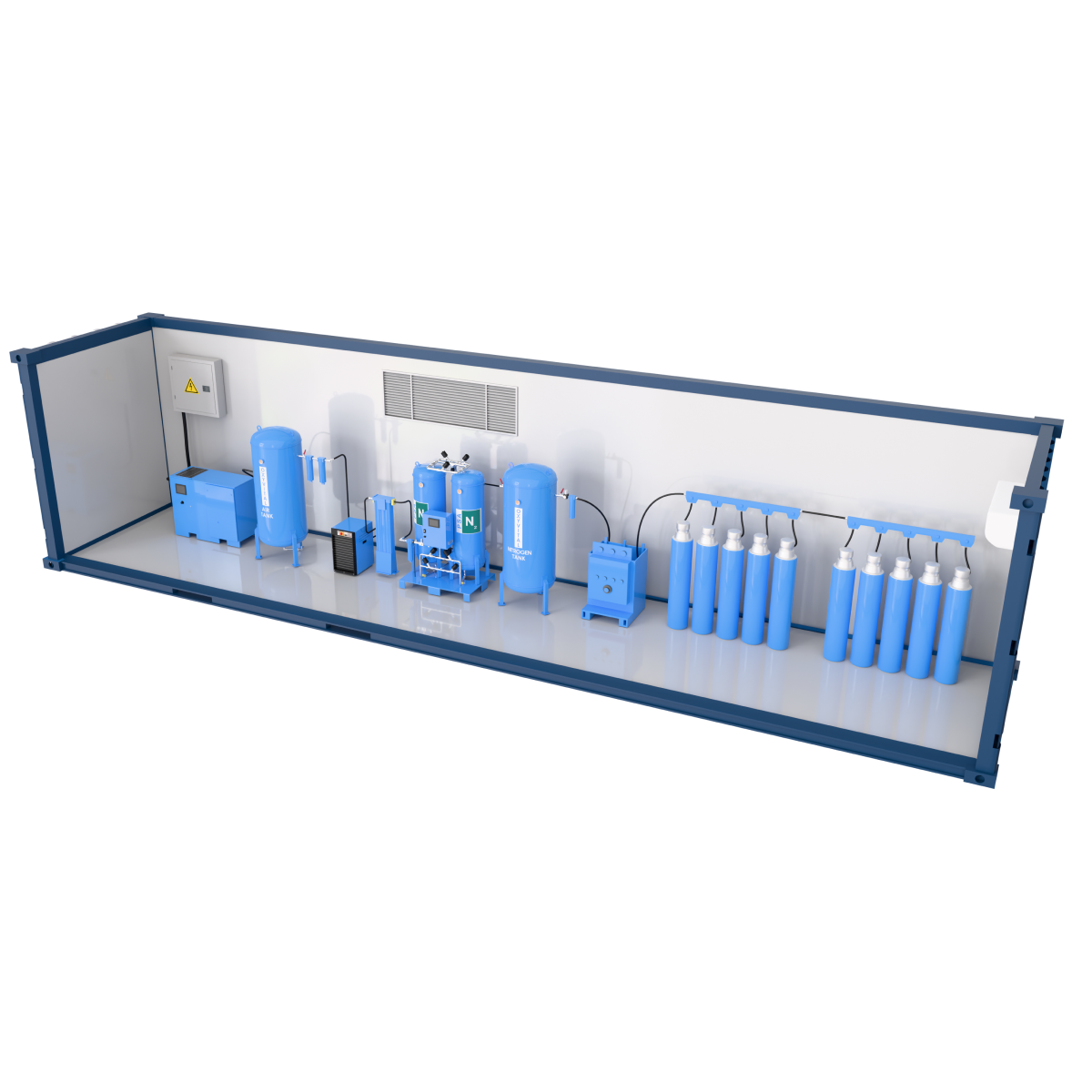
Oxygen generators provide continuous, controlled, and reliable dissolved oxygen in aquaculture areas such as fish tanks, ponds, and cage systems. Furthermore, since oxygen production occurs within the facility, dependence on external supply is eliminated.
By using Oxyvital PSA technology oxygen generator models, you can stably increase dissolved oxygen levels in your fish farm, significantly enhancing fish growth rates, average live weight, and survival rates.
How Oxyvital PSA Works in This Field?

High Purity Oxygen Production

Continuous and Controlled System

Efficient and Regular Production

Cost and Operational Savings
Why Should You Use an Oxygen Generator in Aquaculture?
In water and fish product farming, an aeration and oxygen system is needed in addition to the oxygen provided naturally by the inlet water. Especially in summer, you must install an oxygenation system specific to your aquaculture facility to combat oxygen deficiency.
Meets Continuous Oxygen Needs
In fish farming, oxygen demand varies depending on environmental conditions. Our oxygen generators meet this need continuously and controllably, ensuring uninterrupted production.
You Can Maintain Water Quality and Oxygen Balance in Facilities
Maintaining stable dissolved oxygen levels is critical for the sustainability of water quality. The use of generators prevents sudden oxygen drops, safeguarding fish health.
46 Years of Assurance from Turkey’s First Oxygen Producer
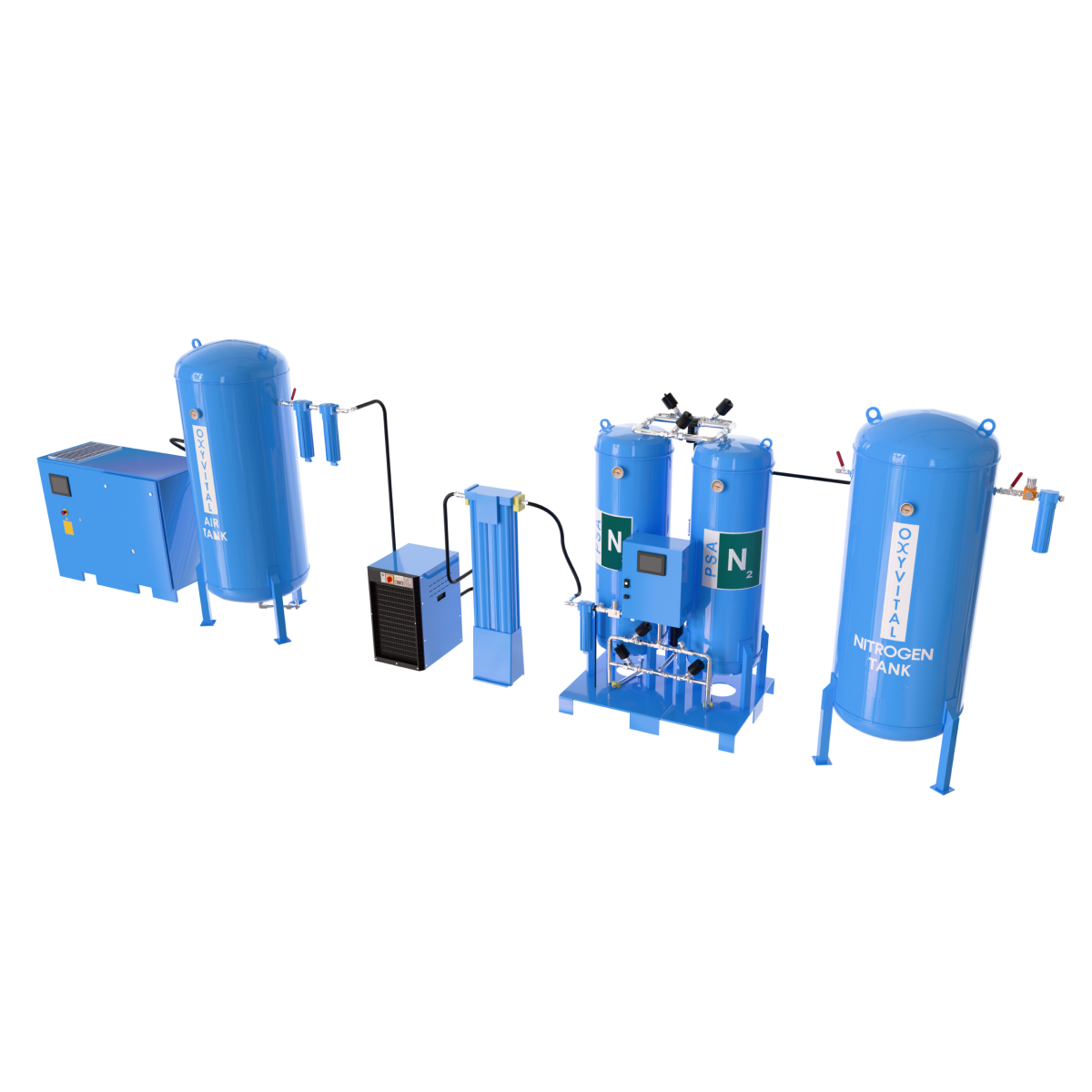
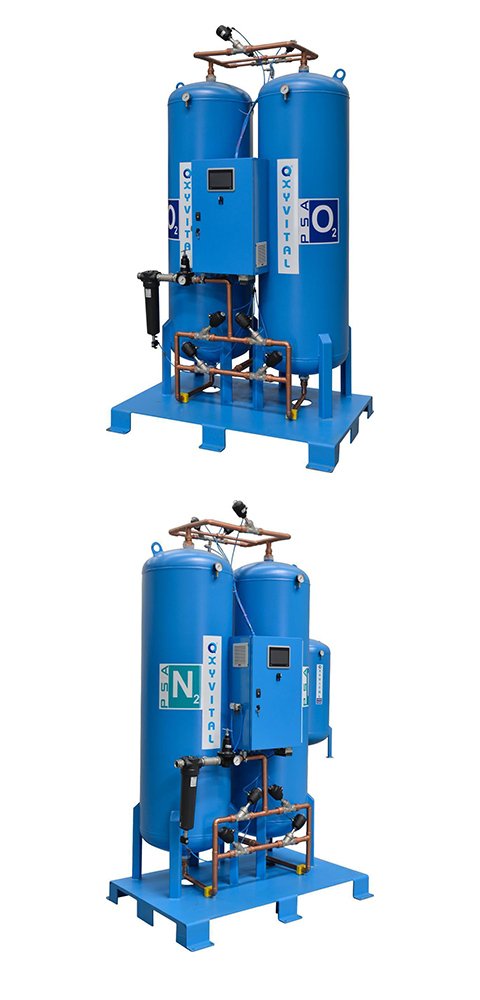
Produce high-purity oxygen instantly at your facility with an oxygen generator using Pressure Swing Adsorption (PSA) technology. Oxygen generators provide stable conditions in these fish farms, reducing losses and increasing production safety.
Benefits of an Oxygen Generator in Fish Farms
✓
Provides continuous oxygen production
In shrimp and shellfish farming, water’s oxygen demand is high due to high stocking density. It continuously produces the required oxygen, regardless of environmental conditions, ensuring production continuity.
✓
Maintains dissolved oxygen balance
It keeps the oxygen level in the water stable, preventing sudden drops and improving water quality.
✓
Increases growth and productivity
It supports fish metabolism, increasing growth rates and average harvest weight.
✓
Reduces stress and disease risk
Insufficient oxygen can cause stress and disease in fish during transportation and temporary storage. An oxygen generator that prevents this minimizes immune weakening and disease formation.
✓
Offers safe production at high stocking densities
It increases production safety by providing sufficient and regular oxygen even under intensive farming conditions.
✓
Supports hatchery processes
It ensures stable oxygen during egg and larval stages, leading to healthy development and high survival rates.
✓
Reduces losses in transport and storage
It lowers mortality rates by maintaining oxygen levels during the transfer and storage of live fish.
✓
Increases feed efficiency
It improves business performance by enabling fish to utilize feed more effectively.
 CE Certificate
 ISO 9001
 ISO 13485
 ISO 14001
 ISO 45001
 2017/745 MDR
 PED 2014/68/EU
Efficient Production in Fish Farming with Oxyvital PSA Oxygen Solutions
As Oxyvital, with our PSA oxygen solutions developed specifically for aquaculture facilities, we make oxygen management in fish farming more controlled and sustainable. Especially for the additional oxygen support needed in summer months, we provide high-purity and sustainable oxygen production, contributing to maintaining balanced production conditions, protecting live health, and preventing yield losses.
With the installed oxygen system, fish growth rates and feed utilization rates increase. Additionally, losses due to stress and disease affecting live health are reduced, and production capacity is utilized more efficiently. All these benefits also contribute to strengthening business profitability in the long run.
To make your production process safer, more stable, and predictable, you can evaluate the most suitable system for your facility with Oxyvital PSA oxygen solutions and contact us.
Frequently Asked Questions
+How long is the installation and commissioning period for an Oxyvital oxygen generator in a fish farm?
The installation process for Oxyvital oxygen generators is fast and hassle-free. Thanks to their easy-to-integrate design and standardized connection points, most systems become operational within days, minimizing downtime and disruptions in your business.
+Why is an additional oxygen system needed in aquaculture?
Natural oxygen levels can be insufficient, especially under high stocking densities and warm weather conditions. Additional oxygen systems prevent sudden oxygen drops, maintaining water quality and production continuity.
+Do PSA oxygen systems provide a cost advantage?
Yes. Since oxygen production occurs within the facility, it eliminates the need for external supply, reduces operational costs, and offers a more efficient production process in the long term.